
Ayurvedic Remedies for Lifestyle Disorders

Lifestyle Disorders: Understanding Diabetes, Obesity, Hypertension, PCOS, Hyperlipidaemia, and Metabolic Syndrome
Lifestyle disorders are increasingly prevalent in today's society, largely attributed to unhealthy dietary habits, sedentary lifestyles, and other risk factors. This guide provides an overview of six significant lifestyle disorders: diabetes, obesity, hypertension, polycystic ovary syndrome (PCOS), hyperlipidaemia, and metabolic syndrome.
Elevated Blood Pressure
High blood pressure (hypertension) occurs when blood exerts excessive force on artery walls. Ayurveda classifies it as Rakta Gata Vata, where Vata Dosha disturbs blood circulation, sometimes accompanied by Pitta imbalance leading to heat and stress.
Symptoms:
-
Headache and dizziness: Common signs of increased blood pressure.
-
Flushing of the face: Due to increased blood circulation and heat.
-
Irritability and stress: Emotional imbalance caused by high blood pressure.
-
Palpitations or irregular heartbeat: Increased pressure affecting heart rhythm.
Treatment Options:
Ayurveda aims to balance Vata, calm the mind, and improve circulation.
-
Herbal Remedies: Sarpagandha, Arjuna, Ashwagandha, and Brahmi to regulate blood pressure naturally.
-
Panchakarma Therapies: Virechana (purgation) and Shirodhara (oil therapy) to detoxify and induce relaxation.
-
Dietary Support: Daily consumption of garlic, flaxseeds, and Triphala to maintain heart health.
-
Cooling and Soothing Diet: Coconut water, pomegranate, and leafy greens to balance Pitta and Vata.
-
Yoga and Meditation: Helps manage stress and naturally lowers blood pressure.
Excess Weight
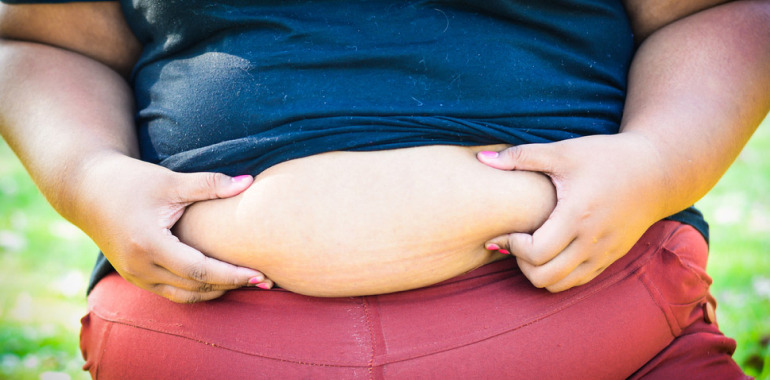
Excess weight gain occurs when Kapha Dosha increases and slows metabolism, leading to fat accumulation. Ayurveda classifies obesity as Sthoulya, a disorder of metabolism and digestion.
Symptoms:
-
Excessive body fat accumulation: Especially around the abdomen, thighs, and arms.
-
Slow digestion and heaviness after meals: Due to impaired metabolic fire (Agni).
-
Lethargy and lack of motivation: Feeling tired and sluggish throughout the day.
-
Breathlessness on exertion: Difficulty in physical activities due to weight gain.
Treatment Options:
Ayurveda focuses on reducing Kapha, improving digestion, and enhancing metabolism.
-
Herbal Remedies: Triphala, Guggulu, Punarnava, and Trikatu (ginger, black pepper, long pepper) to aid weight loss.
-
Panchakarma Therapies: Udvartana (herbal powder massage) and Vamana (detoxification) to eliminate excess Kapha.
-
Natural Metabolism Boosters: Drinking warm water with honey and lemon to enhance digestion and fat burning.
-
Dietary Modifications: Avoiding heavy, oily, and cold foods that increase Kapha.
-
Physical Activity: Regular yoga and brisk walking to burn excess fat and improve stamina.
High Blood Sugar
High blood sugar (diabetes) occurs when the body cannot regulate glucose properly. Ayurveda refers to diabetes as Prameha, caused by Kapha-Pitta imbalance leading to improper digestion and metabolism.
Symptoms:
-
Frequent urination: Increased urine output due to excess glucose in the blood.
-
Excessive thirst and dryness: Due to dehydration caused by high glucose levels.
-
Weakness and fatigue: Low energy levels caused by improper glucose metabolism.
-
Slow healing of wounds: Poor circulation and high sugar levels affect tissue repair.
Treatment Options:
Ayurveda aims to regulate sugar levels, strengthen digestion, and rejuvenate the pancreas.
-
Herbal Remedies: Gudmar, Jamun, Vijaysar, and Turmeric to regulate blood sugar naturally.
-
Panchakarma Therapies: Virechana (purgation) and Basti (medicated enema) to detoxify and balance metabolism.
-
Natural Blood Sugar Control: Fenugreek seeds, Amla, and Bitter Gourd juice to support glucose metabolism.
-
Dietary Modifications: A low-carb, high-fiber diet with whole grains and green vegetables.
-
Physical Activity: Daily exercise, yoga, and stress management to improve insulin function.
Dyslipidemia
Dyslipidemia refers to abnormal lipid levels, increasing the risk of heart disease. Ayurveda considers it as Medo Dushti, where an imbalance in Kapha and Pitta leads to improper fat metabolism.
Symptoms:
-
Fatigue and heaviness: Due to slow metabolism and poor fat digestion.
-
Chest discomfort or palpitations: Indicating circulation issues due to high cholesterol.
-
Yellowish deposits around the eyes: Xanthelasma caused by excess lipids in the blood.
-
Poor digestion and bloating: Weak metabolism leading to sluggish digestion.
Treatment Options:
Ayurveda focuses on balancing Kapha, improving digestion, and cleansing blood vessels.
-
Herbal Remedies: Guggulu, Arjuna, Triphala, and Fenugreek for cholesterol control.
-
Panchakarma Therapies: Virechana (purgation) and Raktamokshana (blood detox) for lipid cleansing.
-
Natural Lipid Balance: Daily consumption of garlic, flaxseeds, and ginger tea.
-
Dietary Modifications: A Kapha-pacifying diet with warm, light, and bitter foods.
-
Physical Activity: Regular exercise and yoga to improve fat metabolism.
Conclusion
These metabolic disorders are controlled effectively by combining Ayurvedic treatments, natural remedies, and lifestyle changes. Frequent consultation of an Ayurvedic practitioner ensures personalization of treatment plans for individual requirements.