
Ayurvedic Solutions for Skin Disorders

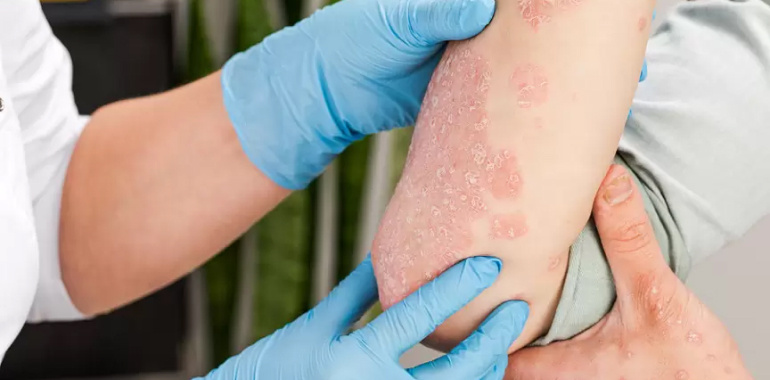
Understanding Skin Disorders: Psoriasis, Eczema, Urticaria, and Fungal Infections
Skin disorders can significantly impact an individual's quality of life, affecting appearance and causing discomfort. This guide explores four common skin disorders: psoriasis, eczema, urticaria, and fungal infections.
Skin Psoriasis
Psoriasis is a chronic autoimmune skin disorder that causes red, scaly patches. In Ayurveda, it is classified as Kitibha Kushta, a type of skin disease caused by an imbalance in Vata and Kapha Doshas, along with the accumulation of toxins (Ama) in the blood.
Symptoms:
-
Thick, scaly patches (Utkleda & Kandu): Commonly seen on the scalp, elbows, and knees.
-
Dryness and cracking (Rookshata & Srava): Can lead to bleeding in severe cases.
-
Itching and inflammation (Kandu & Daha): Persistent irritation and discomfort.
-
Discoloration of skin (Twak Vaivarnyata): Affected areas may appear reddish or darkened.
Treatment Options:
Ayurveda focuses on detoxification, balancing Doshas, and nourishing the skin.
-
Herbal Remedies: Neem, Manjistha, Turmeric, and Guduchi help purify the blood and reduce inflammation.
-
Panchakarma Detoxification: Virechana (purgation therapy) and Raktamokshana (bloodletting) remove toxins.
-
External Applications: Karanja oil, Mahamarichyadi Taila, and Aloe Vera help soothe and heal the skin.
-
Avoiding Triggers: Managing stress, avoiding processed foods, and limiting excessive dairy consumption.
-
Yoga & Meditation: Practices to reduce stress-related flare-ups and promote overall well-being.
Tinea Infection
Tinea is a fungal skin infection, commonly known as ringworm. Ayurveda classifies it as Dadru Kushta, caused by an imbalance in Kapha and Pitta Doshas, leading to fungal overgrowth.
Symptoms:
-
Circular, red, itchy rashes: Typically spreading in ring-like formations.
-
Scaly or blistering skin: Affected areas may become dry, flaky, or develop blisters.
-
Spreading of infection: Can extend to other body parts if not treated properly.
Treatment Options:
Ayurveda aims to reduce fungal growth, detoxify the skin, and prevent recurrence.
-
Herbal Remedies: Neem, Turmeric, Gandhak (Sulfur), and Vidanga help combat fungal infections.
-
External Applications: Neem oil, Karanja oil, and Aloe Vera gel soothe itching and promote healing.
-
Panchakarma Therapy: Virechana (detoxification) helps cleanse toxins and prevent recurrence.
-
Dietary Changes: A diet rich in bitter and astringent foods while avoiding sugar and dairy supports skin health.
-
Hygiene Practices: Keeping the skin dry, maintaining hygiene, and wearing breathable clothing prevent further infection spread.
Dermatitis
Dermatitis refers to inflammation of the skin, leading to redness, itching, and rashes. Ayurveda considers it a Pitta-Kapha disorder, where toxins accumulate in the skin.
Symptoms:
-
Red, inflamed skin: Affected areas become swollen and irritated.
-
Severe itching: Persistent irritation that may lead to scratching and worsening of symptoms.
-
Oozing of fluid: In acute cases, affected areas may develop blisters that ooze.
-
Dryness and scaling: Chronic dermatitis can lead to dry, scaly patches of skin.
Treatment Options:
Ayurveda focuses on soothing inflammation, detoxifying the blood, and restoring skin health.
-
Herbal Remedies: Neem, Manjistha, Yashtimadhu (Licorice), and Aloe Vera help calm Pitta and Kapha.
-
Panchakarma Therapies: Vamana (emesis therapy) and Raktamokshana (blood purification) help remove toxins.
-
External Applications: Medicated oils like Mahatiktaka Ghrita, Jatyadi Taila, and Kumkumadi Taila soothe the skin.
-
Cooling Diet: Consuming fresh fruits, coconut water, and leafy greens while avoiding spicy and fermented foods.
-
Stress Management: Practicing meditation and Pranayama to prevent flare-ups caused by stress.
Warts Removal
Warts are small, rough skin growths caused by the HPV virus. Ayurveda refers to them as Charmakeela, which results from an aggravated Kapha and Vata Dosha, leading to excessive tissue growth.
Symptoms:
-
Hard, rough growths: Warts have a coarse texture and may appear on different body parts.
-
Raised bumps: Warts may have an irregular surface and can form clusters.
-
Pain or itching: Some warts, especially plantar warts, can cause discomfort.
Treatment Options:
Ayurveda aims to shrink warts, remove toxins, and strengthen immunity.
-
External Applications: Snuhi (Euphorbia latex), Garlic paste, and Aloe Vera help shrink warts naturally.
-
Kshara Karma: Ayurvedic cauterization therapy for stubborn warts.
-
Oral Herbal Remedies: Haridra (Turmeric), Neem, and Amla strengthen immunity and prevent recurrence.
-
Hygiene Maintenance: Keeping the affected area clean and dry to prevent the spread of warts.
Alopecia (Hair Loss)
Alopecia is excessive hair loss, leading to baldness. Ayurveda classifies it as Khalitya, caused by an imbalance in Pitta Dosha, along with poor nutrition and stress.
Symptoms:
-
Excessive hair fall: Hair loss beyond normal shedding, leading to reduced volume.
-
Thinning of hair: Gradual reduction in hair density, making the scalp more visible.
-
Bald patches: Circular or irregular areas of hair loss on the scalp.
-
Weak and brittle hair: Hair strands become fragile and prone to breakage.
Treatment Options:
Ayurvedic treatment focuses on strengthening hair roots, balancing Pitta, and improving scalp health.
-
Herbal Remedies: Bhringraj, Amla, Brahmi, and Yashtimadhu nourish the scalp and promote hair growth.
-
Medicated Oils: Application of Bhringraj Taila, Neelibhringadi Taila, and Keshya Rasayana strengthens hair follicles.
-
Shirodhara Therapy: Cooling oils poured over the forehead to balance Pitta Dosha and reduce hair fall.
-
Balanced Diet: Including iron, proteins, and healthy fats to improve hair health and prevent further loss.
-
Stress Management: Meditation, yoga, and deep breathing exercises help reduce stress-induced hair loss.
Corn Excision
Corns are thickened skin areas on the feet caused by friction or pressure. Ayurveda relates it to Padadari, a condition caused by excessive dryness and Vata Dosha imbalance.
Symptoms:
-
Hardened, painful skin: Thickened area due to constant friction or pressure.
-
Yellowish or rough patches: Calloused skin forming in affected areas.
-
Pain while walking: Discomfort and soreness due to pressure on the corn.
Treatment Options:
Ayurveda focuses on softening the hardened skin, reducing pain, and preventing recurrence.
-
External Application: Castor Oil, Aloe Vera, and Ghee help soften and heal corns.
-
Herbal Pastes: Mixtures of Turmeric, Neem, and Garlic promote healing and reduce inflammation.
-
Soaking Therapy: Warm medicated water with Triphala or Neem decoction softens corns and relieves pain.
-
Proper Footwear: Avoiding tight shoes and using soft padding reduces pressure on corns.
-
Herbal Oils: Applying Mahanarayan Taila for long-term relief and prevention.
Conclusion
Knowledge of these common skin diseases through Ayurveda makes it possible to heal in a holistic and natural way. Balancing doshas, cleansing the body, and adhering to herbal therapy effectively controls symptoms. Should symptoms persist, seeking an Ayurvedic doctor's consultation is necessary in order to customize treatment to needs.