
Holistic Solutions for Spine
and Joint Care

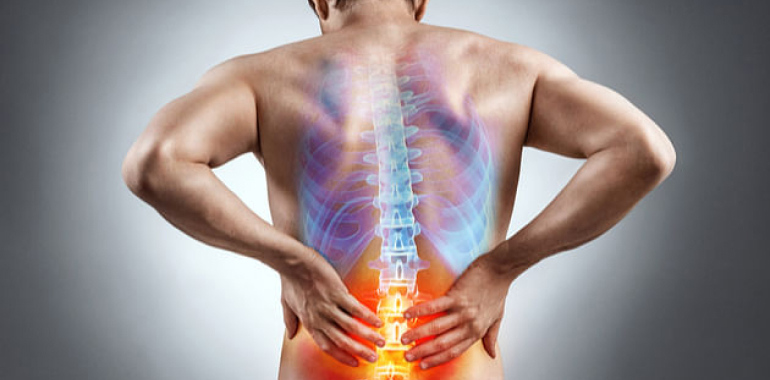
Comprehensive Guide to Bone, Joint, and Spine Disorders
Bone, joint, and spine disorders are prevalent conditions that can significantly affect an individual's mobility and quality of life. Understanding these disorders is essential for effective management and treatment. This guide covers key conditions including spondylosis, spondylitis, degenerative disc disorders, disc protrusion, joint arthropathy, ankylosing spondylitis, and frozen shoulder.
Lumbar Spondylosis
Lumbar spondylosis is a degenerative condition of the lower spine causing pain and stiffness. Ayurveda relates it to Kati Gata Vata, where aggravated Vata Dosha leads to dryness and degeneration of spinal discs.
Symptoms:
-
Lower back pain: Persistent discomfort due to disc degeneration.
-
Stiffness and restricted movement: Difficulty in bending or standing for long durations.
-
Radiating pain to legs: Pain that extends down the thighs and calves.
-
Numbness or tingling: Sensory disturbances in the lower back and legs.
Treatment Options:
Ayurveda focuses on reducing Vata, strengthening bones, and improving flexibility.
-
Herbal Remedies: Ashwagandha, Guggulu, Shallaki, and Shatavari help nourish joints and reduce inflammation.
-
Panchakarma Therapies: Kati Basti (oil pooling therapy), Abhyanga (massage), and Basti (medicated enema) for spinal health.
-
External Applications: Mahanarayan Taila or Dhanwantharam Taila for pain relief and improved flexibility.
-
Dietary Support: A warm, nourishing diet with ghee, sesame seeds, and milk to pacify Vata.
-
Yoga and Stretching: Gentle postures and exercises to improve flexibility and spinal strength.
Tennis Elbow
Tennis elbow is inflammation of the tendons in the elbow due to repetitive strain. Ayurveda considers it a Vata-Pitta disorder, leading to inflammation and joint pain.
Symptoms:
-
Pain in the outer elbow: Discomfort and tenderness, especially during movement.
-
Weak grip strength: Difficulty in holding objects due to tendon inflammation.
-
Swelling and tenderness: Inflammation around the elbow joint causing stiffness.
Treatment Options:
Ayurveda aims to reduce inflammation, strengthen tendons, and restore mobility.
-
Herbal Remedies: Shallaki, Guggulu, and Ashwagandha provide anti-inflammatory effects and strengthen tendons.
-
Local Applications: Dashmool Taila or Pinda Taila massages for pain relief and improved circulation.
-
Detox Therapies: Raktamokshana (bloodletting therapy) or Lepas (herbal pastes) to reduce swelling and inflammation.
-
Physiotherapy & Exercises: Stretching and strengthening exercises to prevent stiffness and improve mobility.
Osteoarthritis
Osteoarthritis is a degenerative joint disease caused by cartilage wear and tear. Ayurveda classifies it as Sandhigata Vata, where aggravated Vata Dosha leads to joint dryness and reduced lubrication.
Symptoms:
-
Joint pain and stiffness: Discomfort, especially after prolonged activity or rest.
-
Cracking sound during movement: A grating sensation when using the joints.
-
Reduced flexibility and swelling: Inflammation leading to restricted joint mobility.
Treatment Options:
Ayurveda focuses on lubricating joints, strengthening cartilage, and reducing pain.
-
Herbal Remedies: Guggulu, Shallaki, Ashwagandha, and Turmeric for anti-inflammatory and joint-strengthening effects.
-
Panchakarma Therapies: Janu Basti (knee oil therapy), Abhyanga (massage), and Basti (medicated enema) to reduce stiffness and pain.
-
External Applications: Mahanarayan Taila or Sahacharadi Taila to improve joint flexibility and reduce discomfort.
-
Dietary Support: Warm, nourishing foods such as ghee, milk, sesame seeds, and soups to strengthen joints.
-
Exercise & Mobility: Gentle yoga and low-impact exercises to maintain flexibility and prevent stiffness.
Plantar Fasciitis
Plantar fasciitis is the inflammation of the foot sole due to excessive strain. Ayurveda attributes it to Vata and Kapha imbalance, leading to pain and stiffness in the feet.
Symptoms:
-
Heel pain: Especially severe in the morning or after rest.
-
Tightness and stiffness: Discomfort in the sole, making movement difficult.
-
Difficulty walking long distances: Pain intensifies with prolonged standing or walking.
Treatment Options:
Ayurveda focuses on reducing inflammation and strengthening foot muscles.
-
Herbal Remedies: Shallaki, Guggulu, and Rasna to reduce pain and inflammation.
-
External Applications: Local massage with warm oils like Mahanarayan Taila and castor oil for pain relief.
-
Foot Soaks: Hot water soaks with Epsom salt or Triphala decoction to relax muscles.
-
Supportive Footwear: Using soft, cushioned shoes and stretching exercises to relieve heel pressure.
Rheumatoid Arthritis (Amavata)
Rheumatoid arthritis is an autoimmune disease that causes joint pain and swelling. Ayurveda refers to it as Amavata, a condition caused by Ama (toxins) accumulation and aggravated Vata Dosha.
Symptoms:
-
Morning stiffness and joint pain: (Sandhi Shoola & Stambha) causing discomfort in movement.
-
Swollen joints: (Sandhi Shotha) leading to restricted mobility.
-
Fatigue and general body pain: (Sharira Badhata) reducing overall energy levels.
-
Deformities in chronic cases: Joint damage causing structural changes over time.
Treatment Options:
Ayurveda aims to remove toxins, reduce inflammation, and improve joint health.
-
Herbal Remedies: Guduchi, Guggulu, Turmeric, and Ashwagandha for detoxification and pain relief.
-
Panchakarma Therapies: Virechana (purgation), Basti (medicated enema), and Abhyanga (massage) for toxin removal.
-
Hot Fomentation: (Swedana) using Dashmool decoction to relieve pain and stiffness.
-
Dietary Adjustments: Light, easily digestible meals, avoiding heavy, oily, and processed foods.
-
Physical Activity: Gentle stretching and yoga to improve flexibility and prevent stiffness.
Sports Injury and Rehabilitation
Sports injuries involve damage to muscles, ligaments, and bones due to overuse or trauma. Ayurveda categorizes these injuries under Vranabhighata (trauma-related disorders) and aims to heal them naturally.
Symptoms:
-
Muscle pain and swelling: Due to injury, strain, or inflammation.
-
Restricted movement: Difficulty in joint mobility and muscle flexibility.
-
Weakness in the affected area: Loss of strength and endurance.
Treatment Options:
Ayurveda focuses on reducing inflammation, strengthening tissues, and preventing further injuries.
-
Herbal Remedies: Ashwagandha, Bala, and Guggulu to promote tissue repair and reduce inflammation.
-
Panchakarma Therapies: Abhyanga (massage) and Pinda Sweda (hot compress) for pain relief and healing.
-
External Applications: Medicated oils like Dhanwantharam Taila and Murivenna oil to reduce swelling and promote recovery.
-
Nutritional Support: A balanced diet rich in protein, calcium, and iron for muscle and bone health.
-
Rehabilitation: Physical therapy and gradual strengthening exercises to restore mobility and function.
Post-Fracture Rehabilitation
Post-fracture recovery involves healing broken bones and restoring function. Ayurveda considers fractures under Asthi Bhagna, where Vata Dosha imbalance slows down the healing process.
Symptoms:
-
Bone pain and swelling: Due to injury and inflammation.
-
Weakness and stiffness: Limited movement in the affected area.
-
Delayed healing: In cases where bone regeneration is slow.
Treatment Options:
Ayurveda focuses on enhancing bone healing, reducing pain, and restoring strength.
-
Herbal Remedies: Hadjod (Cissus quadrangularis), Ashwagandha, and Shatavari to strengthen bones and aid recovery.
-
Panchakarma Therapies: Abhyanga (massage) and Basti (medicated enema) for nourishment and pain relief.
-
External Applications: Medicated oils like Murivenna Taila and Mahanarayan Taila to support bone healing.
-
Dietary Support: Calcium-rich diet including milk, sesame seeds, and leafy greens to promote bone health.
-
Rehabilitation: Mild physiotherapy and gradual mobility exercises to restore function.
Conclusion
Understanding these bone, joint, and spine disorders is crucial for effective diagnosis and treatment. Early intervention can help manage symptoms effectively and improve quality of life for individuals affected by these conditions. Regular consultations with healthcare professionals are essential for personalized treatment plans tailored to individual needs.